Crypto Sports News: Now Tracking Blockchain Sports News
The intersection of blockchain and sports continues to develop, shaping new systems for fan interaction, revenue streams, and digital asset usage. Crypto Sports News has become a central theme in reporting on these changes, highlighting market trends, token launches, and organizational adoption. This coverage provides a structured view of how digital technologies intersect with traditional sports industries.
By tracking blockchain applications, leagues, clubs, and investors gain insights into fan tokens, NFTs, decentralized platforms, and smart contract systems. This article explores Crypto Sports News with a neutral approach, presenting an overview of blockchain-related sports updates, industry frameworks, and evolving use cases.
Blockchain Integration in Sports
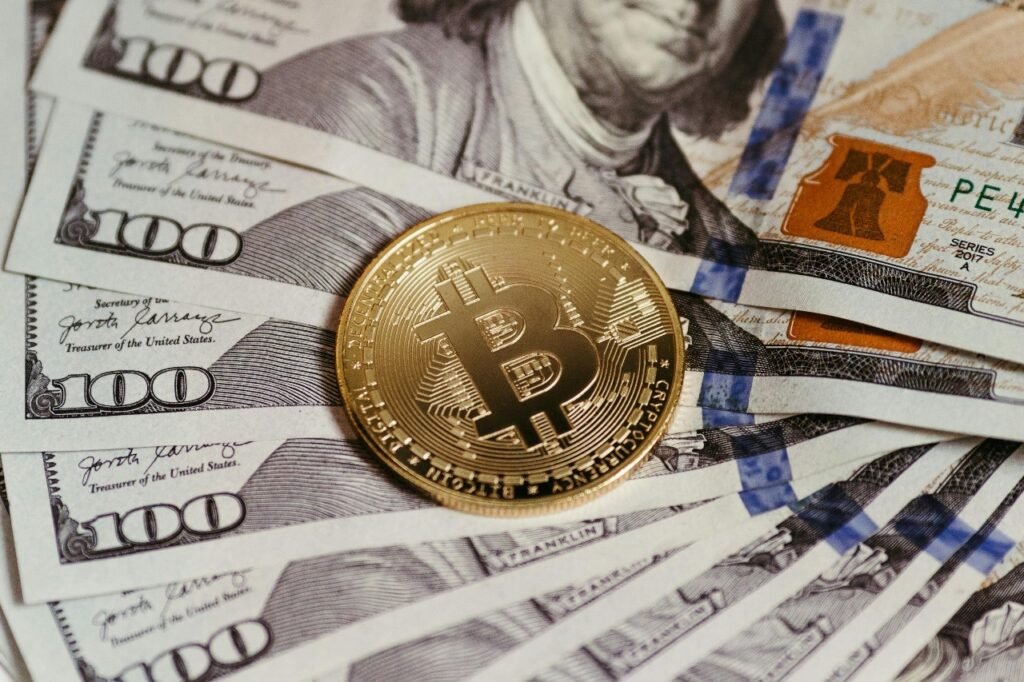
Blockchain integration in sports is reshaping digital engagement, financial models, and data management across global organizations. From fan tokens to NFT collectibles and blockchain-based ticketing, teams and leagues are exploring new methods of interaction with supporters. This integration also supports transparent transactions, secure digital ownership, and innovative sponsorship opportunities. The evolving role of blockchain highlights its influence on sports ecosystems, enhancing connectivity and creating structured digital solutions for long-term use.
Tokenized Systems for Engagement
Fan tokens allow organizations to create measurable engagement opportunities. By purchasing tokens, supporters gain access to voting rights, merchandise offers, and event participation. These blockchain-based assets operate within secure ecosystems, reducing duplication and improving authenticity.
NFTs in Sports Ecosystems
NFTs remain prominent in sports-related blockchain coverage. They provide collectible opportunities, unique highlights, and event-based memorabilia that connect with fans through digital ownership. These assets also introduce new forms of licensing revenue for clubs and sports organizations.
Decentralized Networks for Clubs and Leagues
Some clubs are exploring decentralized systems to manage data, governance, and revenue. These networks highlight transparency and real-time distribution of digital resources across teams and fan communities.
Current Market Trends in Crypto Sports
Current market trends in crypto sports highlight the development of fan tokens, NFT integration, blockchain-based ticketing, and digital collectibles. The sector reflects a growing connection between sports organizations and digital asset platforms, shaping how engagement, sponsorship, and monetization evolve. These trends show the role of Web3 technologies in expanding participation, creating new financial models, and influencing the structure of sports ecosystems across leagues, teams, and global markets.
Growth of Fan Token Platforms
Sports-focused token platforms are steadily expanding. Clubs across football, basketball, and esports are experimenting with blockchain-based systems to drive engagement. Token market fluctuations are now frequently featured in Crypto Sports News, reflecting global demand and usage.
NFT Sports Market Monitoring
Sports NFTs are not only collectibles but also integrated into gaming and metaverse platforms. Tracking these developments requires understanding both market capitalization and distribution models. NFT-related sports announcements often intersect with general crypto market coverage.
Sponsorship and Blockchain Partnerships
Clubs and leagues are entering partnerships with crypto exchanges and blockchain companies. These agreements involve shirt sponsorships, stadium branding, and co-branded token releases. Reports in Crypto Sports News often outline contract structures and engagement projections.
Tracking Blockchain in Sports News

Meta Description
Tracking blockchain in sports news highlights how digital innovations are shaping the global industry. From tokenized fan engagement and NFT collectibles to blockchain-enabled ticketing and secure financial transactions, coverage explores how teams, leagues, and organizations adapt to these technologies. The focus extends to transparency in sports operations, sponsorship models, and new revenue frameworks. Monitoring these updates provides a structured view of blockchain’s role in evolving sports ecosystems and digital participation worldwide.
Real-Time Data and Analysis
Blockchain allows verifiable reporting of ticket sales, fan engagement, and transaction volumes. Crypto Sports News increasingly includes analytical dashboards to present neutral metrics about adoption and market changes.
Regional Differences in Adoption
Different markets adopt blockchain in sports at varying speeds. Europe remains a leading hub for fan token launches, while North America shows strong engagement in NFTs and esports-related blockchain initiatives.
Regulatory and Compliance Coverage
As crypto adoption grows, compliance frameworks become a regular feature of sports blockchain reporting. Neutral reporting on licensing, taxation, and sports authority guidelines ensures clarity in coverage.
Impact of Blockchain on Sports Business Models
Revenue Models Through Tokenization
Clubs benefit from fan tokens and NFTs by adding diversified revenue streams. Instead of relying only on ticket sales and broadcasting rights, blockchain allows for direct monetization of digital interactions.
Operational Transparency
Smart contracts improve accountability in sponsorship deals, athlete transfers, and event management. Automated execution reduces disputes and ensures faster settlements.
Community-Driven Ecosystems
Blockchain introduces participatory systems where fans influence decisions. Sports organizations often publish Crypto Sports News updates to communicate about token use cases and community engagement strategies.
Case Studies in Sports Blockchain
European Football Clubs
Leading football clubs have launched fan tokens in collaboration with crypto platforms. Reports track fluctuations in token value based on club performance and market demand.
Esports Blockchain Integration
Esports organizations frequently adopt blockchain earlier than traditional sports. NFTs, metaverse arenas, and decentralized prize pools are being tested across multiple platforms.
U.S. Sports Franchises
American basketball and baseball leagues are incorporating NFTs into ticketing systems and digital collectible packages. These efforts are regularly analyzed in Crypto Sports News publications.
Challenges and Considerations

Market Volatility
Token and NFT prices fluctuate rapidly. Coverage in Crypto Sports News reflects how teams navigate changing valuations without overcommitting to unstable models.
Regulatory Uncertainty
Sports blockchain developments must comply with international financial and consumer protection standards. Monitoring regulatory updates is an essential part of coverage.
Fan Accessibility
Ensuring that blockchain adoption remains user-friendly is a key consideration. Reports often assess whether onboarding processes are straightforward for fans unfamiliar with crypto.
The Role of Media in Crypto Sports
Dedicated Reporting Platforms
Outlets focused on Crypto Sports News provide consistent updates that combine sports journalism with blockchain market analysis.
Neutral Industry Reporting
Neutral tone ensures that coverage avoids bias, presenting both growth and limitations. Balanced reporting supports investor, fan, and club decision-making.
Information Flow Across Stakeholders
Blockchain transparency aligns with media objectives by ensuring verifiable reporting. Fans, regulators, and organizations benefit from structured access to data.
Future Outlook for Sports Blockchain
- Continued expansion of fan tokens across international clubs.
- NFT integration into sports gaming and metaverse platforms.
- Increased partnerships between sports organizations and blockchain providers.
- Advancements in compliance and consumer protection frameworks.
- Enhanced transparency in financial reporting and sponsorship deals.
Conclusion
Crypto Sports News remains an essential resource for monitoring blockchain adoption in sports. Covering fan tokens, NFTs, decentralized networks, and sponsorships, it provides structured updates without subjective bias. As blockchain technologies evolve, sports organizations adapt their engagement strategies and business models.
By tracking blockchain sports news, stakeholders—including fans, clubs, and regulators—gain a comprehensive understanding of market trends, compliance frameworks, and digital innovation. The future of blockchain in sports continues to expand through transparent, data-driven systems that reinforce community participation and structured digital engagement.